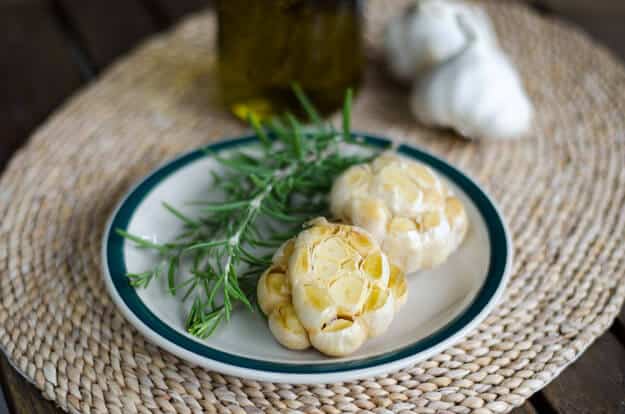
Unveiling the Magic: Why Everyone Needs to Know "Roasted Garlic How To"
There's a culinary secret that transforms an ordinary ingredient into an extraordinary one, elevating countless dishes from good to gourmet. That secret lies in mastering the simple technique of roasting garlic. Far from its pungent, raw state, roasted garlic emerges as a sweet, mellow, almost buttery spreadable delight. If you’ve ever wondered about the best ways to infuse your cooking with depth, richness, and an undeniable umami, then understanding roasted garlic how to is your gateway. This comprehensive guide will walk you through every step, ensuring you achieve perfect, golden cloves every time, and unlock a world of flavor possibilities.
The beauty of roasted garlic isn't just in its taste; it's in its incredible versatility and the minimal effort required for such a profound culinary reward. Whether you're a seasoned chef or a kitchen novice, this technique is surprisingly forgiving and endlessly adaptable. Prepare to impress yourself and your guests with this humble yet powerful ingredient.
The Sweet Transformation: Why Roasting Garlic is a Culinary Game-Changer
Why go through the trouble of roasting garlic when you can just chop it raw? The answer lies in a remarkable chemical and physical transformation. Raw garlic owes its characteristic bite and pungent aroma to sulfur compounds, primarily allicin, released when its cells are damaged. While fantastic in some applications, this intensity can be overpowering.
When garlic is roasted, something magical happens. The high heat breaks down these volatile sulfur compounds, converting them into milder, sweeter, and more complex flavors. The natural sugars within the garlic cloves caramelize, resulting in a golden-brown hue and a deeply sweet, nutty taste reminiscent of a savory caramel. The texture also changes dramatically, from firm and crisp to incredibly soft, creamy, and spreadable. This process mellows the garlic's sharp edges, making it far more palatable and digestible, while still retaining its distinctive aromatic essence.
Beyond taste, roasted garlic offers a concentrated burst of flavor that can enhance almost any savory dish. It's a secret weapon for adding richness without relying on heavy fats, and its health benefits, including antioxidant properties, are an added bonus. Truly, understanding roasted garlic how to is about unlocking a gentler, sweeter, and more sophisticated side of this beloved allium.
The Essential "Roasted Garlic How To" Guide: Step-by-Step Perfection
Achieving perfectly roasted garlic is incredibly simple, requiring just a few basic ingredients and minimal prep. Follow these steps for consistently delicious results.
Choosing Your Garlic
Start with fresh, firm heads of garlic. Look for bulbs that are plump, heavy for their size, and free from soft spots, mold, or green sprouts. While any garlic will roast, fresher garlic will yield the best flavor and texture.
Prepping for Roasting
- Preheat Oven: Preheat your oven to 400°F (200°C).
- Prepare Garlic Head: Take a whole head of garlic. Using a sharp knife, carefully slice off the top ¼ to ½ inch of the head, exposing the tops of the individual cloves. Be careful not to cut too much, as you want the cloves to remain mostly intact within their papery skins. You can also separate the cloves, leaving the skins on, for a slightly different texture and faster roasting time, but roasting the whole head is classic.
- Drizzle with Olive Oil: Place the trimmed garlic head on a piece of aluminum foil or in a small oven-safe dish. Drizzle about 1-2 teaspoons of good quality olive oil generously over the exposed cloves, ensuring it seeps into the crevices.
- Season (Optional): Sprinkle with a pinch of salt and black pepper if desired. Some people like to add a sprig of fresh rosemary or thyme for an extra aromatic touch.
- Wrap or Cover: If using foil, wrap the garlic head snugly, creating a sealed packet. If using a dish, you can either cover it with foil or use a lid. This helps to steam the garlic, keeping it moist and promoting that soft, creamy texture.
Roasting Times and Temperatures
Place the foil packet or covered dish in the preheated oven. Roast for approximately 30-60 minutes. The exact time will depend on the size and freshness of your garlic, as well as your oven's calibration.
- Check for Doneness: After 30 minutes, carefully unwrap or uncover and check. The garlic is done when the cloves are very soft, golden brown, and easily pierced with a knife or fork. If they still feel firm, re-cover and continue roasting in 10-15 minute increments until tender. You want them caramelized but not burnt.
Extracting the Goodness
Once roasted, remove the garlic from the oven and let it cool slightly – enough to handle, but while it's still warm. To extract the roasted cloves, simply hold the head and gently squeeze the bottom. The soft, sweet cloves should pop right out. You can also use a small spoon to scoop them out. Discard the papery skins.
For more foundational tips on prepping and common pitfalls, check out roasted garlic how to - Article 1.
Beyond the Basics: Creative Ways to Use Your Roasted Garlic
Once you've mastered the art of roasted garlic how to, a world of culinary possibilities opens up. Its sweet, mellow flavor can elevate an astonishing array of dishes. Here are some of our favorite ways to incorporate this golden treasure:
Culinary Applications
- Spreads & Dips: Mash the roasted cloves with a fork and spread them directly onto crusty bread, toast, or crackers. Mix into cream cheese, hummus, or mayonnaise for a luxurious dip or sandwich spread.
- Pasta Sauces: Stir mashed roasted garlic into tomato sauces, pestos, or simple olive oil-based pasta dishes for incredible depth.
- Vegetables: Toss with roasted vegetables (potatoes, broccoli, asparagus, carrots) or incorporate into mashed potatoes or cauliflower for an extra layer of flavor.
- Dressings: Whisk into vinaigrettes or creamy salad dressings.
- Soups & Stews: Stir a spoonful into soups, stews, or chili during the last few minutes of cooking for a comforting aroma and taste.
- Meats & Poultry: Rub mashed roasted garlic onto chicken, fish, or beef before roasting or grilling. It also makes a fantastic addition to marinades.
- Compound Butter: Mash roasted garlic into softened butter with fresh herbs for a gourmet spread or to melt over steaks and vegetables.
Flavor Pairings
Roasted garlic pairs beautifully with fresh herbs like rosemary, thyme, and parsley. It also complements earthy mushrooms, rich cheeses (parmesan, goat cheese, feta), and tangy ingredients like lemon juice or balsamic vinegar. Don't be afraid to experiment!
Expert Tips and Troubleshooting for the Perfect Batch
While roasting garlic is straightforward, a few expert tips can ensure your batch is always perfect and you can troubleshoot any minor issues.
Don't Overcrowd Your Pan
If you're roasting multiple heads, ensure they have enough space in the baking dish or on the sheet pan. Overcrowding can lead to steaming rather than proper roasting and caramelization.
Experiment with Oils and Seasonings
While olive oil is traditional, you can try other high-smoke point oils like avocado oil. Explore different seasonings too: a sprinkle of smoked paprika, a pinch of chili flakes, or a dash of balsamic vinegar can add intriguing nuances. Consider adding fresh herbs like thyme or rosemary sprigs directly into the foil packet.
Storing Roasted Garlic
Roasted garlic can be stored in an airtight container in the refrigerator for up to 5-7 days. For longer storage, you can freeze individual cloves or a mash in an ice cube tray, then transfer to a freezer-safe bag for up to 3 months. It's generally advised against storing roasted garlic submerged in olive oil at room temperature, as this creates an anaerobic environment that can foster the growth of botulism spores. If you wish to store it in oil, ensure it's refrigerated and consumed within a week, or acidify the garlic first.
What if it's too dry? Or burned?
- Too Dry: If your roasted garlic isn't as soft and creamy as you'd like, it might have been roasted uncovered for too long or without enough oil. Ensure it's tightly wrapped in foil or covered to trap moisture.
- Burned: If your garlic looks too dark or tastes bitter, your oven temperature might be too high, or it was roasted for too long. Reduce the temperature slightly or check on it more frequently. A little charring is fine, but burnt garlic is unpleasant.
If you're looking to dive deeper into advanced techniques or explore different garlic varieties, you might find valuable insights in roasted garlic how to - Article 3.
Conclusion
Mastering roasted garlic how to is one of the easiest yet most impactful culinary skills you can acquire. This simple process transforms humble garlic into a sweet, creamy, and irresistibly aromatic ingredient that can elevate nearly any dish. From enriching sauces and spreads to enhancing roasted vegetables and meats, its versatility is boundless. By following these straightforward steps and incorporating our expert tips, you'll consistently achieve perfect batches of golden, mellow garlic. So, grab a head of garlic, a drizzle of olive oil, and prepare to infuse your kitchen with a new depth of flavor that will delight your palate and impress all who taste it.
